
.avif)
Contributors
Subscribe to our newsletter
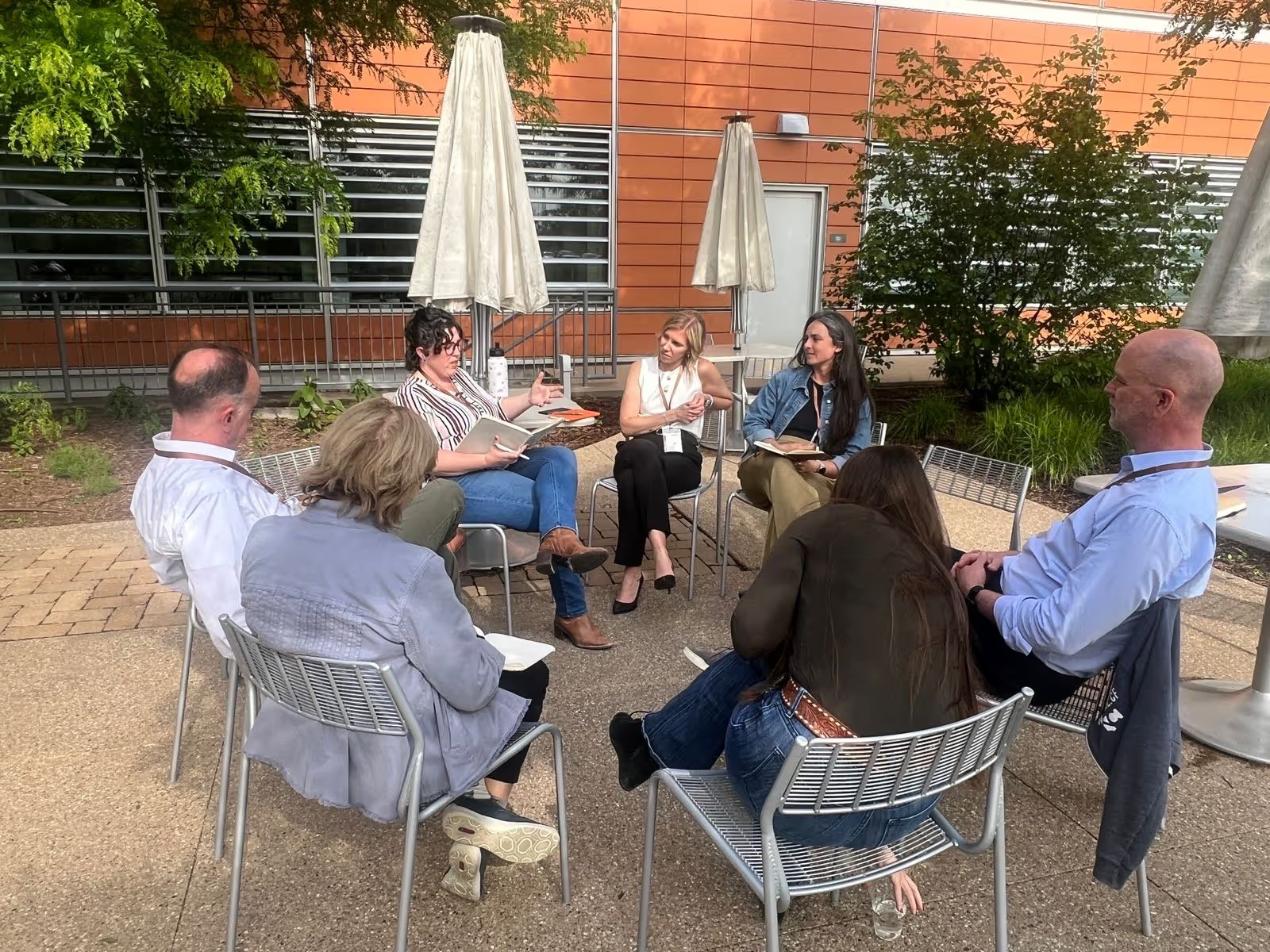
A principios de este mes, Regrow reunió a 50 líderes de todo el sistema de cereales del Medio Oeste y las Grandes Llanuras: agricultores, empresas de bienes de consumo envasados, minoristas, asesores, prestamistas, aseguradoras, filantropía y políticas. Convocamos a este grupo diverso porque vemos que lograr una transición a escala de paisaje en un sistema de granos básicos requerirá una coordinación, conectividad y colaboración mucho mayores entre organizaciones, proyectos y sectores de lo que existe actualmente. Ningún programa o actor individual puede cambiar el sistema por sí solo.
reNourish Studio colaboró con Regrow para diseñar y facilitar esta innovadora sesión de trabajo. Lo que hizo que la reunión fuera particularmente única fue la oportunidad para que actores de finanzas, cadenas de suministro, agronomía, seguros, políticas y agricultura, y de sistemas de cereales similares, debatieran abiertamente los desafíos compartidos. Los participantes se involucraron en una resolución de problemas profunda e intencionada durante los dos días, abordando conversaciones difíciles con honestidad, curiosidad y la voluntad de lidiar con la complejidad del cambio sistémico. Los asistentes expresaron lo valioso y energizante que fue salir de sus silos habituales y pensar de forma colaborativa sobre el futuro del sistema regional de cereales.
.avif)
Durante dos días, los participantes exploraron cómo la colaboración regional podría ayudar a acelerar la adopción de la agricultura regenerativa en el Medio Oeste y las Grandes Llanuras del Norte. Hicimos preguntas difíciles y exigimos respuestas honestas. ¿Dónde están funcionando hoy los programas regenerativos en esta región específica y por qué? ¿Dónde están fallando? ¿Cuáles son las mayores oportunidades para que desbloqueemos el impulso y el capital, y quién debe participar en ello? ¿Qué se necesitaría realmente para lograr un avance significativo en la adopción de prácticas regenerativas y la resiliencia a nivel de sistema?
1. Los datos nos ayudan a traducir los éxitos locales en estrategias regionales más inteligentes.
Los datos de Regrow muestran que, en las aproximadamente 150 millones de acres de la región de cereales del Medio Oeste, la adopción regenerativa está retrocediendo. La labranza de conservación ha perdido alrededor del 10% de su huella desde 2018. Los cultivos de cobertura se mantienen estancados cerca del 7% de las acres. La diversidad de cultivos se está reduciendo a medida que las rotaciones de maíz y soja continúan dominando.
.avif)
Estas cifras son motivadoras para la acción, y los datos en sí nos ayudan a identificar caminos a seguir. A pesar de esta tendencia regional regresiva, existen ejemplos de regiones y programas específicos que están logrando avances importantes. Una colaboración paisajística en Dakota del Norte creció de 20.000 acres en el primer año a 300.000 en el tercer año. Muchos proyectos piloto regionales están teniendo éxito. Pero los éxitos locales no se reflejan a nivel de sistema sin una forma de medirlos, compararlos y conectarlos. Ese es el papel que deben desempeñar los datos: no solo para la presentación de informes de cumplimiento, sino como tejido conectivo, ayudando a los diseñadores de programas a ver qué es duradero, dónde la retención de prácticas es frágil y dónde el próximo dólar tendrá mayor impacto.
Los datos pueden ayudar a revelar dónde las prácticas regenerativas están arraigando, dónde la retención es frágil y qué factores agronómicos, económicos o de diseño de programas locales pueden estar influyendo en los resultados. Bien utilizados, son una herramienta para ayudar a los diseñadores de programas a comprender qué funciona, para quién y bajo qué condiciones, para que las estrategias regionales se basen en los matices locales en lugar de modelos de otros programas o proyectos piloto aislados.
2. Los nuevos mercados son la infraestructura que falta para la diversificación de cultivos
Los productores saben cómo cultivar rotaciones más diversas, incluyendo cereales de grano pequeño, cultivos de cobertura y sistemas forrajeros. Sin embargo, el 60% de las acres de tierras de cultivo en la región siguen ancladas en rotaciones de maíz y soja.
Esto se debe a que la infraestructura de productos básicos (elevadores, señales de precios, seguros de cosechas, capacidad de procesamiento y normas contractuales) se ha construido en torno a estos dos cultivos. Todo lo demás exige a los agricultores que asuman más riesgos, más complejidad logística y más incertidumbre sobre dónde y cómo se venderá su cosecha. Ese sistema no cambia fácilmente sin una intervención coordinada.
En esta sala se abordó una palanca clave para desbloquear la diversificación: la construcción de una demanda de mercado más fuerte y flexible con la misma intencionalidad que construyó el sistema de productos básicos actual. Las señales de demanda estables de empresas de bienes de consumo envasados, minoristas, fabricantes de alimentos, mercados de piensos e industrias emergentes de base biológica pueden ayudar a que las rotaciones diversificadas sean económicamente viables. Pero los participantes también enfatizaron que la diversificación requerirá múltiples vías para que los productores vendan sus cultivos, no solo un único mercado final con especificaciones estrechas.
La conversación también destacó la importancia de mecanismos más amplios de reducción de riesgos para los productores: infraestructura de agregación, inversión compartida, asistencia técnica, reforma de los seguros de cosechas y compromisos plurianuales que ayuden a los agricultores a gestionar la incertidumbre durante los períodos de transición. Sin un desarrollo de mercado coordinado y sistemas diseñados para absorber el riesgo a lo largo de la cadena de valor, el potencial de diversificación a gran escala seguirá siendo difícil de materializar.
3. La agricultura de productos básicos requiere modelos de asociación diferentes
Muchos marcos de sostenibilidad y abastecimiento fueron diseñados para industrias de consumo de marca como alimentos envasados, ropa o cuidado personal, donde las empresas individuales tienen una fuerte influencia sobre sus cadenas de suministro, productos diferenciados y relaciones directas con los consumidores. Esos modelos no se transfieren limpiamente a productos básicos a granel como los cereales.
En el sistema de cereales, incluso las grandes empresas de bienes de consumo envasados son actores relativamente pequeños en comparación con la escala del mercado general. Como dijo un participante, son "diminutos" en el mundo de los cereales. Ningún comprador individual puede mover el sistema por sí solo, y ningún financiador individual puede respaldar la transición.
Esa realidad apunta a la necesidad de modelos de asociación diseñados específicamente para la agricultura de productos básicos: estructuras de inversión compartida, señales de demanda coordinadas, infraestructura regional y enfoques colaborativos que distribuyan tanto el riesgo como la responsabilidad a lo largo de la cadena de valor.
El modelo que siguió surgiendo en St. Louis fue uno de riesgo compartido y financiación compartida entre empresas de bienes de consumo envasados, minoristas, proveedores de insumos, aseguradoras, prestamistas, filantropía y gobiernos locales. Esta colaboración debe estar anclada en la coordinación de la cuenca de suministro más que en cadenas de suministro verticales. El mecanismo a corto plazo más prometedor podría ser un producto de riesgo de transición: un seguro de brecha o una estructura de pérdidas compartidas que haga financiables los primeros tres a cinco años de una transición regenerativa para los agricultores de mediana escala que quedan desprotegidos por las políticas existentes.
No tenemos una respuesta definitiva al respecto. Pero la sala acordó la forma que debería tener, y eso ya es una novedad en sí mismo.
Qué sigue
En las próximas semanas, los participantes seguirán llevando adelante los conocimientos, las relaciones y las oportunidades de colaboración emergentes que surgieron en San Luis. Seguiremos apoyando las conexiones entre los grupos de trabajo y compartiendo los aprendizajes clave que surgieron del encuentro.
Y, por supuesto, este trabajo va más allá de los cereales. Estamos trabajando para construir resiliencia en todo nuestro sistema alimentario compartido, en regiones fuera de EE. UU. y en cultivos más allá de los cereales. Esperamos que utilicen estos aprendizajes como trampolín para conversaciones entre sus propios grupos de interés, en sus propios cultivos y regiones.
Si está trabajando en alguno de estos problemas —construyendo infraestructura de datos que apoye la durabilidad de las prácticas, cuantificando el riesgo de la cuenca de suministro o diseñando los productos de riesgo de transición que este sistema necesita— nos encantaría intercambiar impresiones.
.webp)
.webp)